Art and DT
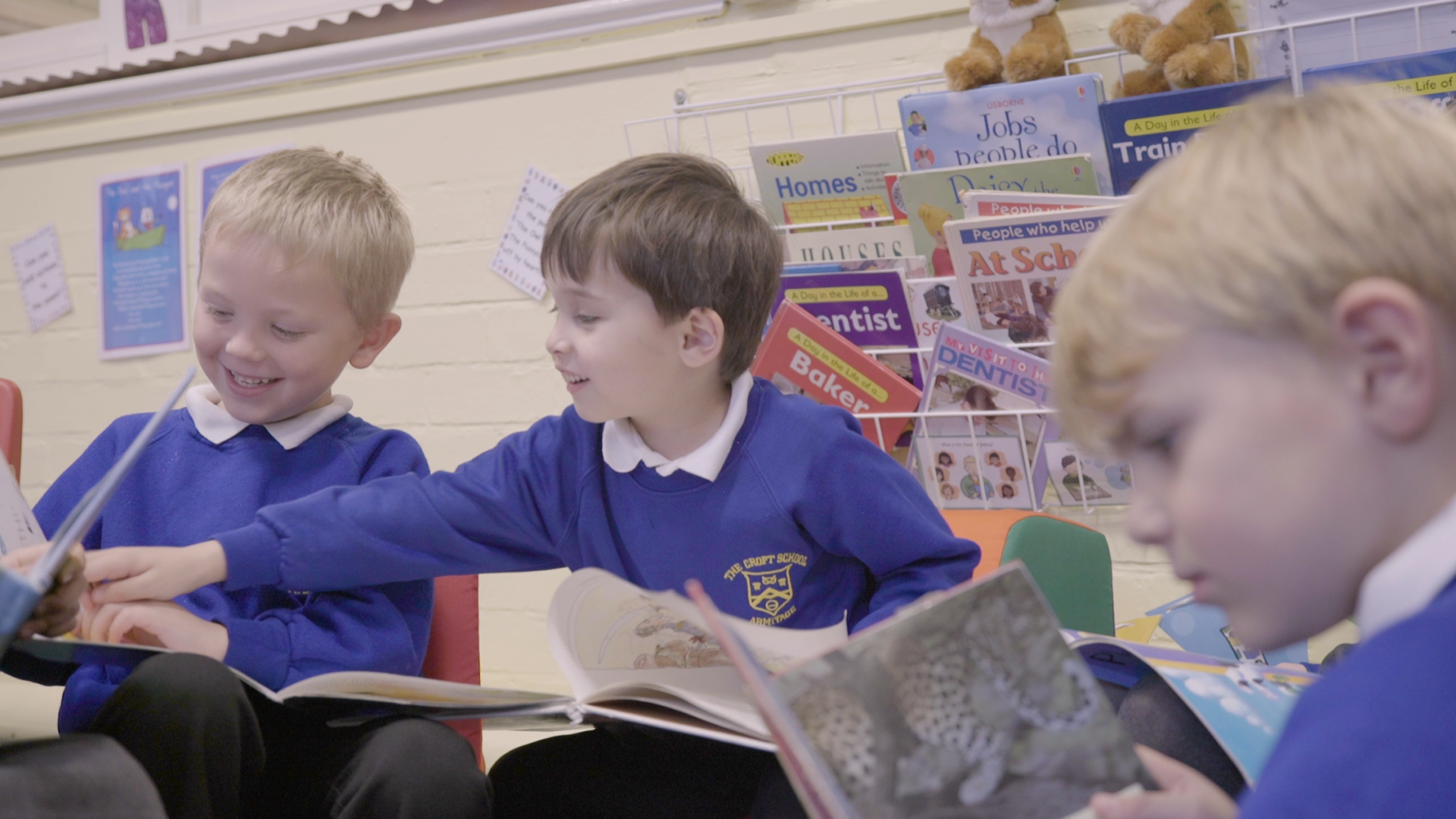
Here at the Croft Primary School, we place a high value on all aspects of the curriculum ensuring they are taught with breadth and depth. Our Art and DT curriculum weaves into our topics throughout school providing pupils the opportunity to work in a wide range of materials and explore a host of different artists and designers.
We focus on developing both substantiative and disciplinary knowledge so pupils develop a wide range of skills which they can then adapt and apply to meet their intended outcomes.
Art Long Term Curriculum Plan
Art and Design is a subject enjoyed by all of The Croft pupils. It is taught in engaging weekly hour lessons or in a block. It is planned around the termly topic, where appropriate, and gives the children the opportunity to develop not only their art skills, but also their knowledge and understanding of art within our world. The children get to explore their ideas through a variety of means, using a sketchbook style recording to build ideas towards producing a final piece of creative work. Throughout their Croft education, pupils improve their skills in drawing, painting and sculpture – exploring these through a range of resources and mediums. These three areas are revisited frequently across the key stages and build on from their initial exploration in Reception class. Pupils learn how Art and Design both reflect and shape our history, and contribute to the culture, creativity and wealth of our nation. During each unit they become familiar with the work of an improving their confidence to express and share their own opinions on others work. Art lessons are inclusive for all, and lessons, resources and recording is adapted accordingly to meet the needs of individuals.
|
Art at The Croft Primary School |
||||||||||||
|
|
Autumn |
Spring |
Summer |
|||||||||
|
EYFS |
Why are we so special? Portraits – Painting Develop their colour-mixing techniques to create a self portrait |
Artist Study: Picasso |
Animal Antics Observational sketches, polar bear images – Use different media to make marks including charcoal and paint, wax resist & water washes focusing on complexity and detail |
Artist Study: Lowri |
We’re off on a journey Watercolour painting – Experiment with a range of tools, materials and techniques, focussing on complexity, detail, shapes, texture and pattern. |
Artist Study:
|
||||||
|
Year 1 |
Moon Zoom Portraits, masks, collage, printing - Explore the use of colour, print a repeating pattern, using a range of materials, create moods in drawings |
Artist Study: Mondrian |
Splendid Skies Colour mixing rainbows, digital rainbows – Create rainbows using computer software, name and mix primary colours, draw lines of different shapes and thickness |
Artist Study: Norman Adams (rainbow man) |
Enchanted Woodland Clay boggarts, nature pastel drawings, using natural materials in art – using mixed media to create artwork, use tools to create clay sculptures, using pastels with increasing dexterity, creating art outside. |
Artist Study: Goldsworthy |
||||||
|
Year 2 |
Street Detectives Images of buildings out of pastel, charcoal and paint – use the various media with increasing dexterity and confidence. Use artwork to create a stimulus – comment on use of colour, pattern and shape to inform own work |
Artist study: James Rizzi |
Towers and Turrets Watercolour landscapes – make tones and tints by adding black and white, mix paint, explain how an artist has influenced their work |
Artist study: Turner |
On the Coast Seaside creature models (sculptures), Diwa lamps – make a clay pot, add decoration, join pieces of clay together |
Artist study: Cornish School of Art – John Dyer |
||||||
|
Year 3 |
Time Travellers Cave Art, facial expressions – compare work from different time periods, create sketches of artefacts using shading to add detail |
Artist study: Lichtenstein |
Predators Animal sketches, animal paintings – using pencils of different gradings to add shading and detail, create texture using different types of brushes |
Artist study: Henri Rousseau |
Rivers and Mountains Water colour and digital images – combine digital and other media; water washes, digital media to create unique pictures |
Artist study: Monet |
||||||
|
Year 4 |
Scrumdiddlyumptious Observational drawings, still life paintings – exploring colour and shades along with observational skills needed for sketching of still life pictures |
Artist study: Paul Cezanne |
The Shaking Romans Mosaics, collage, wire sculptures – using mixed media to create mosaics, using wire with clay to create sculptures |
Artist study: Giometti and Antony Gormley |
Traders and Raiders Batik, observational drawings – developing sketching techniques to add depth and shade, used mixed media (textiles) to create patterns |
Artist study: Hokusai |
||||||
|
Year 5 |
Stargazers Moon prints, pastel images – creating printing blocks, exploring printing techniques, exploring blending techniques of pastels |
Artist study: Rebecca Vincent |
Frozen Kingdom Create Inuit art, use mixed materials – explore use of animals in Inuit art, use mixed media to create artwork |
Artist study: Kenojuak Ashevak |
Terrifying Tudors Tudor portraits – learn skills needed to create portraits of correct proportions, create different expressions, use shading techniques |
Artist study: Holbein |
||||||
|
Year 6 |
WWII War images, sketching, paint and collage – create line drawings using pencils of different grades, use shading to create silhouettes, combine paint and collage |
Artist study: Hans Liska |
Ancient Egypt 3-D drawings, clay cartouche – exploring drawing in 3-D, explore a variety of sketching and shading techniques, sculpt with clay using a range of equipment |
Artist study: |
Food and Farming Still life, digital images – adding depth to pictures using line, shade and tone with pastels, create computer aided art |
Artist study: Giuseppe Archomboli |
||||||
Design Technology Curriculum Overview
Design Technology at The Croft is taught in either weekly hour lessons or in a block – this can be at the teachers discretion. Where possible Design Technology is planned around the termly topic, as this contributes to the enjoyment and engagement of the termly theme. However, in some instances they may be stand alone lessons in order for the National Curriculum to be covered. During Design Technology lessons, the children develop not only a range of skills but they also develop creative, technical and practical expertise. They are given opportunities to design, make and evaluate the products which they have made based on a given design brief. Within each unit, the Croft pupils learn about key designers from different periods in time and cultures. They learn about the impact designers have on our world, exploring some of their work and using this as a basis for their own. The key principals of Design Technology at The Croft is research, design, skill development, make and evaluate. This process is revisited frequently across the key stages and build on from their initial explorations in Reception class. Embedding this design process throughout the school is paramount to the effectiveness of the Design Technology Curriculum. We evidence this process through a sketchbook style technique which illustrates the pupils progress through the unit. Our curriculum builds on previous skills taught and as each child progresses through the school, their skills in designing, planning, constructing, cooking and evaluating improve irrelevant of their starting points or abilities.
|
|
Autumn |
Spring |
Summer |
|
Reception |
Topic: Why are we so special? Outcome: Clay hedgehogs, collage Elmer Key Objectives: Using materials and equipment, cutting, sticking building, moulding Designer study:
|
Topic: Animal Antics! Outcome: Cutting skills – snowflakes, Paper plate necklaces with collage Key Objectives: Cutting skills, design, collage Designer study:
|
Topic: We’re off on a journey! Outcome: Build vehicles Key Objectives: Make choices in materials to use. Design, evaluate and make changes Designer study: Lowri
|
|
Class 1 |
Topic: Moon Zoom Outcome: Make a moon buggy Key Objectives: Describe how something moves, make a model stronger, use axels, make plans Designer study: NASA
|
Topic: Splendid Skies Outcome: Hot air balloons Key Objectives: Create designs, talk about how they plan to construct a product, paper mache Designer study: Craft Maker – Chinese dragon heads (paper mache man)
|
Topic: Enchanted Woodland Outcome: Miniature gardens, picnic Key Objectives: Food prep and hygiene, can create designs and evaluate work Designer study: Capability Brown Jamie Oliver
|
|
Class 2 |
Topic: Street Detectives Outcome: Biscuit making (Great Year 2 Bake off!) Key Objectives: describe properties of ingredients, develop own ideas from initial starting points Designer study: Village bakery
|
Topic: Towers and Turrets Outcome: Building thrones Key Objectives: Select appropriate tools and materials, make plans, measure Designer study: Robin Day
|
Topic: On the coast! Outcome: Make puppets Key Objectives: Textiles, to combine materials in different ways, design, make and evaluate Designer study:
|
|
Class 3 |
Time Travellers Outcome: Stone Age tools and Bronze Age jewellery Key Objectives: step by step plan, decorating with different media Designer study: Jenny McGuiness (parent)
|
Predators Outcome: Moving predators, bird feeders Key Objectives: mechanical components, make and cut holes, joining materials, upcycling Designer study:
|
Rivers and Mountains Outcome: Shelter building in side and outside Key Objectives: select and use materials based on their properties Designer study: Bear Grylls
|
|
Class 4 |
Scrumdiddlyumptious Outcome: investigate and create packaging Key Objectives: disassembling packages, cutting and joining, designing and evaluating Designer study: Cadbury
|
The Shaking Romans Outcome: Make bread Key Objectives: food hygiene, resources and equipment safely and effectively Designer study: Paul Hollywood
|
Traders and Raiders Outcome: Viking boat Key Objectives: joining and strengthening materials, measuring, using equipment effectively, peer assessing Designer study:
|
|
Class 5 |
|
Calendar
October
| Mon | Tue | Wed | Thu | Fri | Sat | Sun |
1 | 2 | 3 | 4 | |||
5 | 6 | 7 | 8 | 9 | 10 | 11 |
12 | 13 | 14 | 15 | 16 | 17 | 18 |
19 | 20 | 21 | 22 | 23 | 24 | 25 |
26 | 27 | 28 | 29 | 30 | 31 |